
NEWS
The fiery question ignites: Should Americans not born in the UNITED STATES be banned from public office? The Constitution mandates NATURAL-BORN status for PRESIDENT (Article II), but allows naturalized citizens in Congress after years of residency. Critics fear FOREIGN influence, sparking calls for stricter rules amid 2026 immigration debates, while supporters cite historical foreign-born leaders like Arnold Schwarzenegger’s failed bids. This DIVIDES the nation on loyalty vs inclusion


The latest piece of legislation from Senator John Neely Kennedy (R-Louisiana) has set Washington on fire. The bill, which seeks to ban anyone not born on U.S. soil from ever serving as President or holding a seat in Congress, has ignited a fierce debate across the nation. Kennedy’s statement, “If you weren’t born here, you’ll never lead here,” has struck a chord with some, while others are calling it a political earthquake that will have far-reaching consequences for American democracy.
The bill’s passage would redefine the notion of citizenship and leadership, and the fallout from this proposal promises to be nothing short of historic. With passionate supporters and vocal critics, the battle lines have been drawn. In this article, we explore the impact of Kennedy’s “Born Here, Lead Here” proposal, its potential consequences, and the polarized reactions from both sides of the political spectrum.
The Proposal: A Radical Shift in American Politics
Senator Kennedy’s new proposal seeks to ban any individual who was not born in the United States from holding public office, specifically the office of President and Congressional seats. The bill aims to restrict all future candidates to those born on U.S. soil, a move that would retroactively affect naturalized citizens already serving in Congress or appointed to high-ranking government positions.
Under the terms of the bill, anyone who has held dual citizenship—whether currently or in the past—would also be prohibited from serving in Congress or holding an executive position. The proposal has sparked a fierce debate about the very definition of who is qualified to lead the United States.
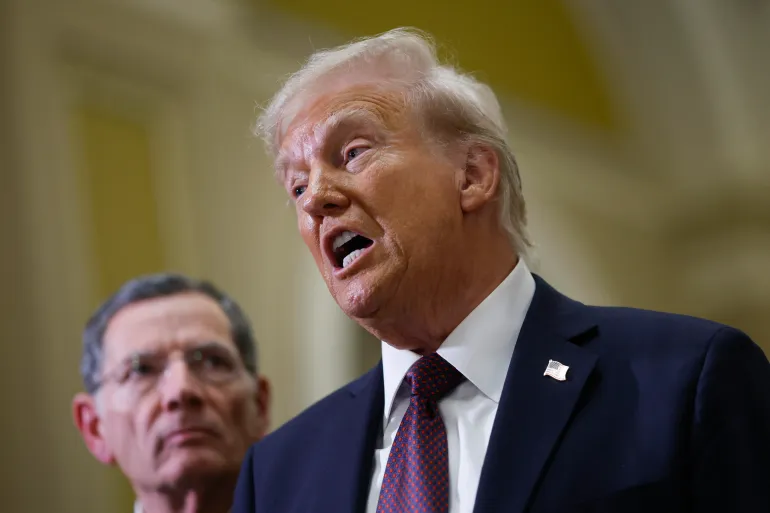
Kennedy, known for his outspoken conservative views, has defended the proposal as an act of patriotism, claiming that it is time to prioritize “American-born leadership” over those with ties to other nations. He framed the bill as a necessary step to ensure that the people running the country are fully committed to the ideals of American democracy.
Supporters: Patriotism Over Dual Allegiances
Supporters of the “Born Here, Lead Here” bill are hailing it as a move to protect American sovereignty. They argue that individuals who were not born on U.S. soil cannot be expected to understand the intricacies of American history, culture, or values in the same way that native-born citizens do. The bill, they claim, will ensure that only those who are completely dedicated to the United States, with no conflicting allegiances, will be allowed to serve in positions of power.
The concept of “American first” has resonated deeply with those who believe that the country’s leadership should be composed of individuals who are fully invested in the nation’s future. Many supporters see the proposal as a rejection of what they view as the erosion of American values in the face of rising globalism and increased immigration. They argue that naturalized citizens, no matter how long they’ve lived in the U.S. or how much they’ve contributed to society, can never be fully trusted to lead the country, as their loyalty might be divided.

This sentiment is fueled by fears that the growing influence of non-citizens and immigrants in the political process could undermine the nation’s identity and priorities. Some also point to the perceived rise in dual citizenship and the influence of foreign governments on U.S. politics, arguing that this bill would restore a sense of purity and loyalty to the American political system.
Critics: A Dangerous Step Toward Division
Critics of the “Born Here, Lead Here” bill view it as a direct attack on the diversity and inclusiveness that have always been pillars of American society. They argue that the proposal is both unconstitutional and discriminatory, seeking to disenfranchise millions of Americans who have become citizens through the naturalization process. By effectively excluding them from running for office, the bill sends a message that they are not fully “American” in the eyes of the law, no matter how much they have contributed to society.
Critics also point out the bill’s potential to exacerbate existing divisions in the country, particularly along racial, ethnic, and immigrant lines. In a country where nearly one in ten people was born outside the U.S., this proposal could alienate entire communities and create new barriers to political participation. The idea of stripping officeholders of their positions simply because of their place of birth has been widely condemned as a step backward, reminiscent of exclusionary practices that have no place in modern American democracy.
Some critics also argue that the proposal could undermine America’s position as a global leader, as it would signal to the rest of the world that the country is unwilling to embrace diversity in leadership. Given the U.S.’s long history of welcoming immigrants and their contributions to society, the bill is seen by many as a betrayal of the values that have made America great.
The Constitutional Debate
The most contentious aspect of the “Born Here, Lead Here” bill is its potential constitutional implications. The U.S. Constitution already specifies that the President must be a natural-born citizen, but there has never been a law requiring all elected officials to be born in the U.S. Some legal experts argue that this bill could violate constitutional protections related to equal rights and due process, particularly in light of the 14th Amendment, which guarantees equal protection under the law.
Additionally, opponents of the bill argue that the proposed restrictions on dual citizenship violate the rights of individuals to freely choose their allegiance, especially in an increasingly globalized world. Dual citizenship has become more common in recent years, and many people hold dual nationality due to family ties or economic reasons. By stripping individuals of their rights based on past citizenship status, critics argue that the bill could set a dangerous precedent for government overreach and the erosion of personal freedoms.
The Political Fallout
The political fallout from the passage of the “Born Here, Lead Here” bill has been swift and dramatic. The bill’s passage has split both parties down the middle, with many moderate Democrats and Republicans voicing their opposition to the measure. Some Democrats have vowed to challenge the bill in court, arguing that it is unconstitutional and violates the rights of naturalized citizens.
At the same time, the bill has emboldened a faction of right-wing populists, who view it as a victory for American nationalism. These supporters are hoping that the bill will inspire more legislative actions that prioritize the interests of native-born citizens over immigrants and refugees. Some have even suggested that similar measures should be introduced at the state level to further restrict political participation by non-citizens.
On the other hand, progressive activists and civil rights organizations have called for mass mobilization to oppose the bill. They argue that it threatens the progress made in creating a more inclusive and diverse society and could have lasting consequences for generations of immigrants who have built their lives in the U.S.





🚨 BREAKING NEWS: Iranian President Masoud Pezeshkian Rushed to Hospital After Reported Airstrike Scare
🇺🇸🇮🇷 Like a scene straight out of a war movie: President Trump in the Situation Room, hat on, eyes locked on the screens, personally overseeing Operation Epic Fury strikes on Iran.Trump said in his address, “the Iranian regime has chanted death to America … We’re not going to put up with it any longer.”Source: The White House
SHOCKING: Beyoncé’s Daughter Blue Ivy Carter Reportedly cries out over sexual abuse in the movie industry..
SHOCKING: Denzel Washington Reportedly Walks Away From Major Multi-Million Dollar Deal After Heated Creative Clash
BREAKING: Andy Reid Reportedly Clashes With Star Player in Closed-Door Meeting as Team Tensions Rise

BREAKING: Chaos Erupts Inside the Trump Organization as Secret Family Power Struggle Allegedly Explodes Behind Closed Doors

Patrick Mahomes’ Mom In Disbelief Over News About Chiefs Star’s $825,000 Decision

The Illinois man who threatened to kill Patrick Mahomes and Travis Kelce wants the case dismissed after…

Taylor Swift and Travis Kelce facing ‘first real test’ in relationship amid wedding planning: report

BREAKING NEWS: Travis Kelce receives disappointing news that could influence his future
