NEWS
BREAKING: Michigan is facing what some lawmakers are calling one of the largest political spending scandals in recent state history after Democratic mega-donor Fay Beydoun was hit with multiple felony charges tied to a controversial $20 million state earmark program. The scandal exploded back into the spotlight after Jim Runestad, chairman of the Michigan Republican Party, publicly accused state officials of…


Michigan is facing what some lawmakers are calling one of the largest political spending scandals in recent state history after Democratic mega-donor Fay Beydoun was hit with multiple felony charges tied to a controversial $20 million state earmark program.
The scandal exploded back into the spotlight after Jim Runestad, chairman of the Michigan Republican Party, publicly accused state officials of allowing taxpayer dollars to be transformed into what he described as a “personal slush fund.” According to investigators and state critics, funds intended to support economic development and international business programs were instead allegedly spent on luxury expenses, inflated salaries, and questionable purchases.

At the center of the controversy is Fay Beydoun, an Oakland County businesswoman and prominent Democratic donor who reportedly secured a no-bid $20 million grant through her nonprofit organization, Global Link International. The grant was connected to programs designed to promote business growth and international trade opportunities in Michigan. But prosecutors now allege that millions of taxpayer dollars were improperly diverted for personal and unauthorized spending.
Michigan Attorney General investigators announced that Beydoun now faces 16 felony charges, including conducting a criminal enterprise and fraud-related offenses. Authorities claim the spending included excessive personal compensation, luxury purchases, and high-end items that had little connection to the nonprofit’s intended mission.
One purchase that sparked outrage across Michigan involved a luxury coffee machine reportedly costing around $4,500. Critics argued the expensive item became symbolic of what they described as reckless and unchecked spending using taxpayer money.
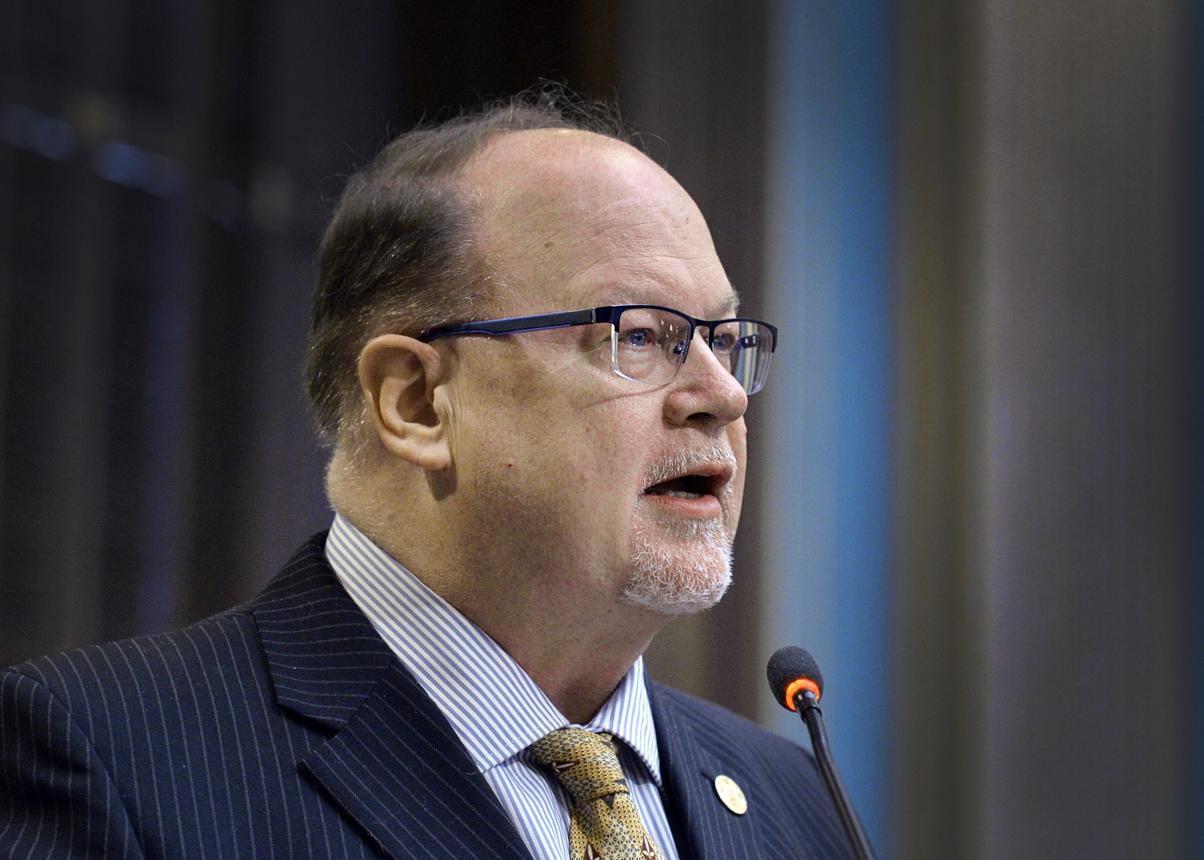
Runestad has repeatedly questioned how the Michigan Economic Development Corporation (MEDC) approved and oversaw the grant program. In public statements and letters sent to MEDC leadership, he demanded answers about oversight failures and possible favoritism, especially because Beydoun reportedly served on the executive committee connected to the same agency overseeing the grant process.
“Rather than transparency, taxpayers got silence,” Runestad said while criticizing what he called weak oversight mechanisms and political favoritism within state economic programs. He argued that Michigan residents deserve to know how millions in public funds could allegedly be spent without stricter safeguards.
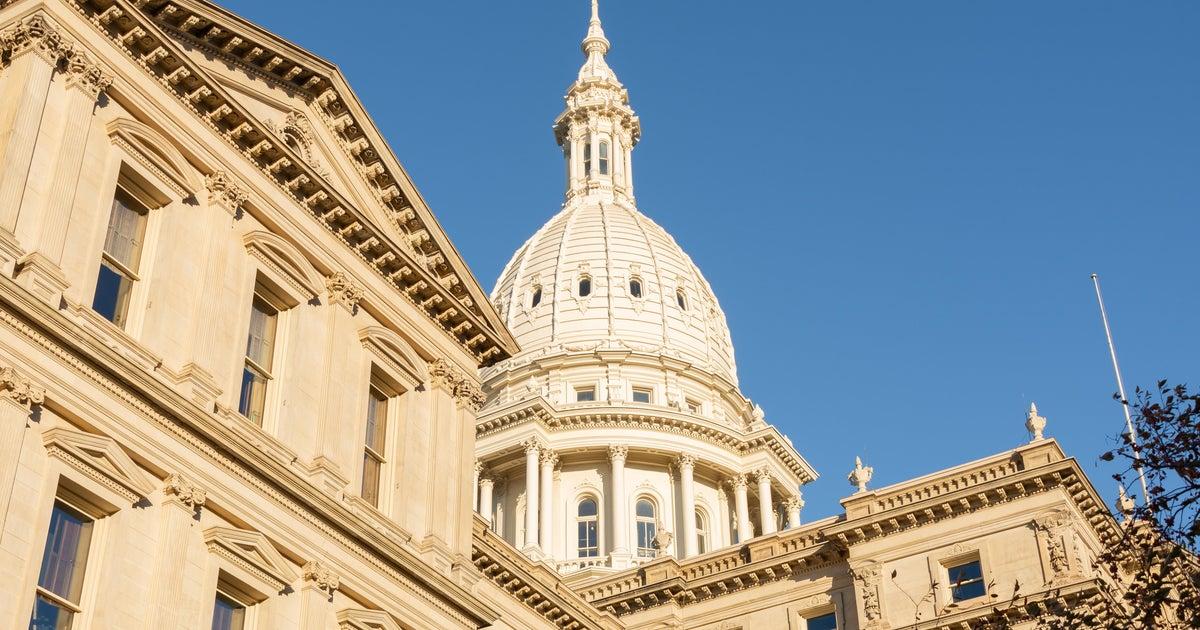
The scandal has fueled broader debates in Michigan over government incentive programs and earmark spending. Critics say the case highlights the dangers of large public grants being handed out without competitive bidding or detailed accountability measures. Conservative policy groups and watchdog organizations have pointed to the Beydoun case as evidence that Michigan’s subsidy and development programs need major reforms.
Democratic officials, meanwhile, have attempted to distance themselves from the controversy while emphasizing that the criminal charges demonstrate the legal system is functioning. Some state leaders have also called for tighter auditing procedures and more transparency for future economic development grants.
The case is expected to become a major political flashpoint heading into future Michigan elections, with Republicans already using the scandal to attack Democratic leadership and government spending practices. Analysts say the controversy could intensify scrutiny over how taxpayer-funded grants are awarded across the state.












10 MINUTES AGO: The Palace Has Confirmed the Sad News That One of the Most Important Members of the Royal Family Has Passed Away. Kate Broke Down Beside William, Saying, “It Is With Our Deepest Sorrow That We Announce…”

Taylor Swift and Travis Kelce Spotted Sharing Intimate Moments on a Boat in France! Cameras Captured Their Every Move, and Fans Can’t Stop Talking About What They Saw

Ferran Torres and Sydney Sweeney Caught on Camera Together on a Boat in France! Their Intimate Moments Have Everyone Talking…

JUST IN: New Photos of Taylor Swift at Kim Kardashian’s 46th Birthday Party Emerge, and Fans Can’t Stop Talking! From Her Stunning Look to ONE Unexpected Detail in the Photo, Everyone Wants to Know What Really Happened Last Night.

Taylor Swift and Travis Kelce Reportedly Buy a $12.5 Million Pennsylvania Mansion Amid Ohio Home Tensions, but ONE Detail About Their New Property Has Fans Asking a BIG Question About Their Future Together!

This is not for young fans: Serena Williams’ Poses Look Sparked Instant Chaos… check in now before it gone

Look at 25 Serena Williams’ private pictures that dazzle everyone and got people talking — Six Takeaways

Taylor Swift and Travis Kelce’s Cozy Bahamas Getaway After the Chiefs’ 22–6 Win Has Fans Talking! But It’s Taylor’s Appearance During Their Romantic Vacation That Has Everyone Zooming In and Asking ONE BIG QUESTION…

Look at 29 Serena Williams’ private pictures that dazzled everyone…
