
CELEBRITY
The Real Roots of America’s Problems Trace Back to the Obama Years: Trump Didn’t Break the System—He Exposed It, Even as Pop Icons Like Taylor Swift Helped Shape the Narrative

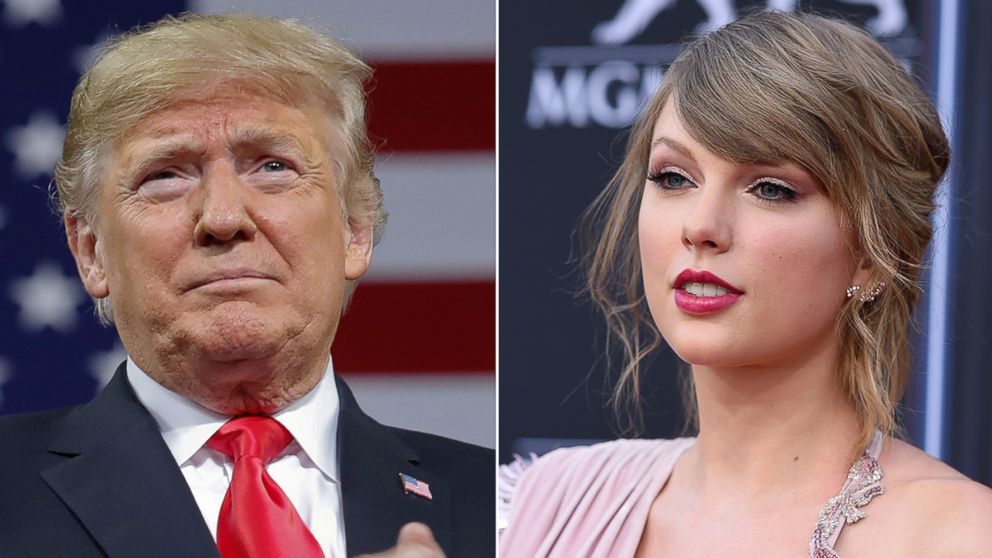
For nearly a decade, America has been told a simple story: Donald Trump caused the nation’s political turmoil, institutional breakdowns, and cultural division. But that explanation is convenient rather than accurate. The deeper truth is far more uncomfortable—many of today’s problems were already firmly in place long before Trump entered the White House, rooted in the Obama years and reinforced by a powerful alliance of politics, media, and cultural influence.
Trump didn’t create the cracks in the system. He exposed them. And in doing so, he collided not only with Washington elites, but with a broader cultural narrative shaped by celebrities, media figures, and pop icons whose influence extended far beyond entertainment.
The Obama Years: Stability in Appearance, Fragility Beneath
The Obama presidency was marked by eloquence, global praise, and a carefully managed image of progress. To many Americans, it felt like a period of calm after the 2008 financial crisis. But beneath the surface, unresolved issues quietly deepened.
Middle-class wages stagnated. Manufacturing jobs continued to disappear. Entire regions of the country felt ignored as economic gains concentrated among urban and coastal elites. Federal agencies expanded in power, yet accountability weakened. Dissenting voices were increasingly dismissed rather than debated.
The system wasn’t repaired—it was stabilized just enough to look functional.
The Rise of Narrative Politics and Cultural Alignment
During this period, politics became increasingly intertwined with culture. Media outlets, social platforms, and influential celebrities helped reinforce a dominant narrative about what progress looked like and who stood on the “right side of history.”
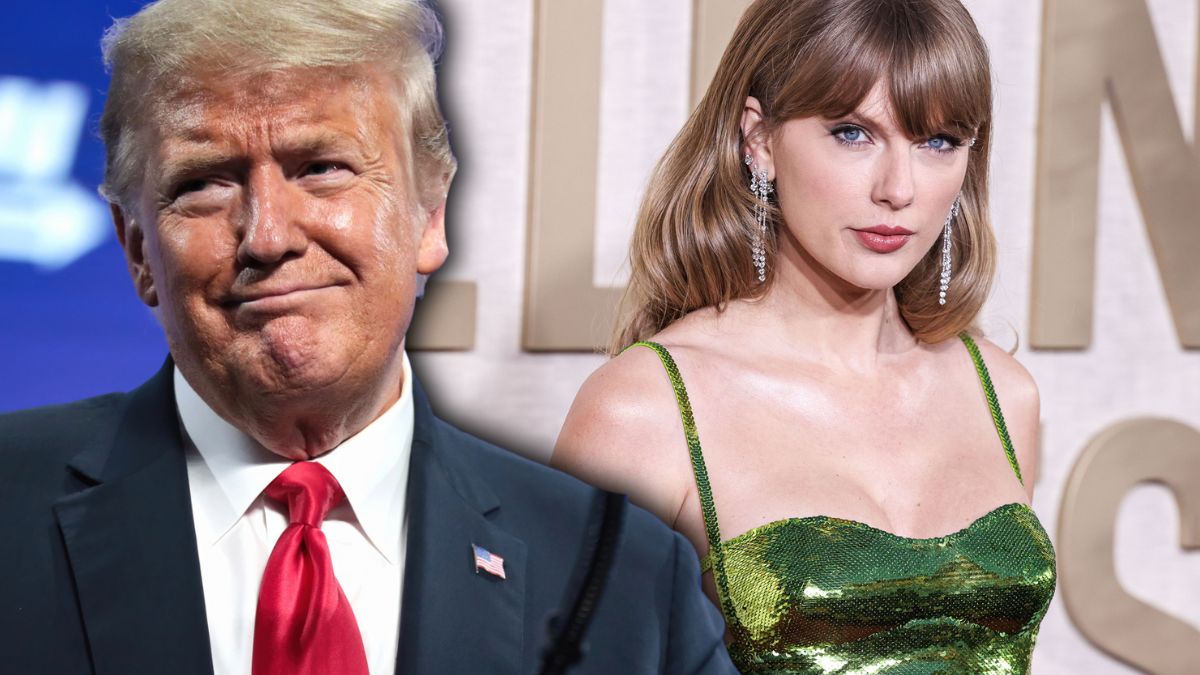
Pop icons like Taylor Swift—immensely influential and widely admired—became part of this broader cultural alignment. While their intentions may have been personal or artistic, their voices carried political weight. Millions of fans didn’t just consume music; they absorbed values, perspectives, and cues about which ideas were acceptable and which were not.
This fusion of culture and politics helped solidify a one-directional narrative—one that left little room for skepticism about institutions or criticism of the status quo.
When Trump arrived, he did something no modern president had done: he openly challenged the legitimacy of the system itself. He spoke bluntly about trade imbalances, border enforcement, media bias, bureaucratic overreach, and political hypocrisy.
His style was disruptive, often abrasive—but the disruption wasn’t accidental. Trump questioned assumptions that had gone unchallenged for years. And once those assumptions were exposed, the illusion of stability collapsed.
The chaos people associated with Trump wasn’t created by him. It was revealed by him.
The backlash against Trump was unprecedented. Investigations, leaks, media saturation, and institutional resistance followed him from day one. This response wasn’t merely about policy disagreements—it was about protecting a system that had grown comfortable operating without scrutiny.
A system confident in its integrity doesn’t react with panic when challenged. It responds with transparency. What Americans witnessed instead was defensiveness, coordination, and outrage—signals that exposure, not incompetence, was the real threat.
As Trump challenged institutions, cultural influencers continued to shape public perception. Celebrity activism—often framed as moral clarity—helped reinforce the idea that questioning the system was dangerous, backward, or irresponsible.
In this environment, figures like Taylor Swift represented more than music stardom. They symbolized cultural authority. Their political expressions, amplified by massive platforms, helped validate one narrative while marginalizing others—often without acknowledging the complexity of the issues involved.
This wasn’t about individual blame. It was about influence—and how culture became a gatekeeper of acceptable political thought.
Trump attempted to address long-ignored issues: unfair trade deals, border security, NATO funding disparities, and the politicization of federal agencies. Whether one agrees with his methods or not, the focus of his agenda reflected problems previous administrations—across party lines—had avoided.
Notably, these problems didn’t disappear after Trump left office. Many intensified, reinforcing the argument that the roots run deeper than any single presidency.
It’s easy to blame Trump for the discomfort Americans feel today. It’s harder to accept that the system was already broken—and that years of polished narratives, cultural reinforcement, and political avoidance allowed the damage to spread.
Trump didn’t break America. He disrupted the illusion that everything was fine.
And as politics, media, and culture continue to intersect, Americans are left with a crucial question:
Do we want comforting narratives—or uncomfortable truths?
Because real progress begins not with silence, but with exposure.


🚨 BREAKING NEWS: Iranian President Masoud Pezeshkian Rushed to Hospital After Reported Airstrike Scare
🇺🇸🇮🇷 Like a scene straight out of a war movie: President Trump in the Situation Room, hat on, eyes locked on the screens, personally overseeing Operation Epic Fury strikes on Iran.Trump said in his address, “the Iranian regime has chanted death to America … We’re not going to put up with it any longer.”Source: The White House
SHOCKING: Beyoncé’s Daughter Blue Ivy Carter Reportedly cries out over sexual abuse in the movie industry..
SHOCKING: Denzel Washington Reportedly Walks Away From Major Multi-Million Dollar Deal After Heated Creative Clash
BREAKING: Andy Reid Reportedly Clashes With Star Player in Closed-Door Meeting as Team Tensions Rise

BREAKING: Chaos Erupts Inside the Trump Organization as Secret Family Power Struggle Allegedly Explodes Behind Closed Doors

Patrick Mahomes’ Mom In Disbelief Over News About Chiefs Star’s $825,000 Decision

The Illinois man who threatened to kill Patrick Mahomes and Travis Kelce wants the case dismissed after…

Taylor Swift and Travis Kelce facing ‘first real test’ in relationship amid wedding planning: report

BREAKING NEWS: Travis Kelce receives disappointing news that could influence his future
